Welcome
Bryan's birds & Bees
Bryan's Birds & Bee's is a nonprofit organization. All sales/donations go directly back to the chickens and bees as well as the land, educating the community and helping the native species have a healthy eco system surrounding them.
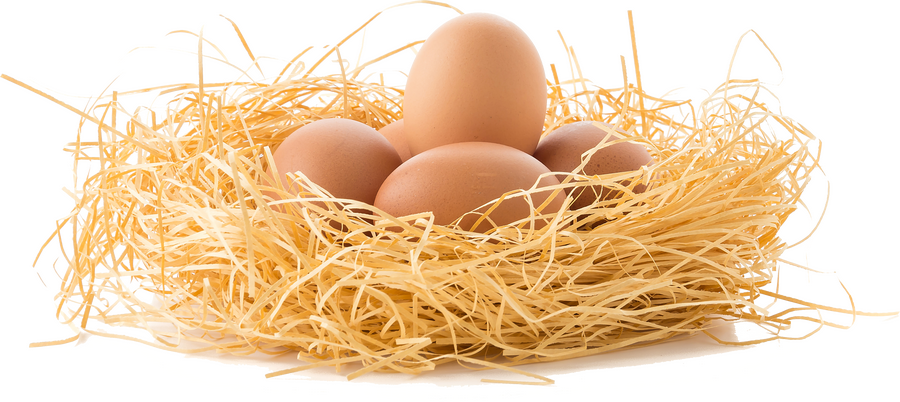
Fresh Eggs & Honey
We offer fresh eggs now and coming soon we will be offering fresh honey.
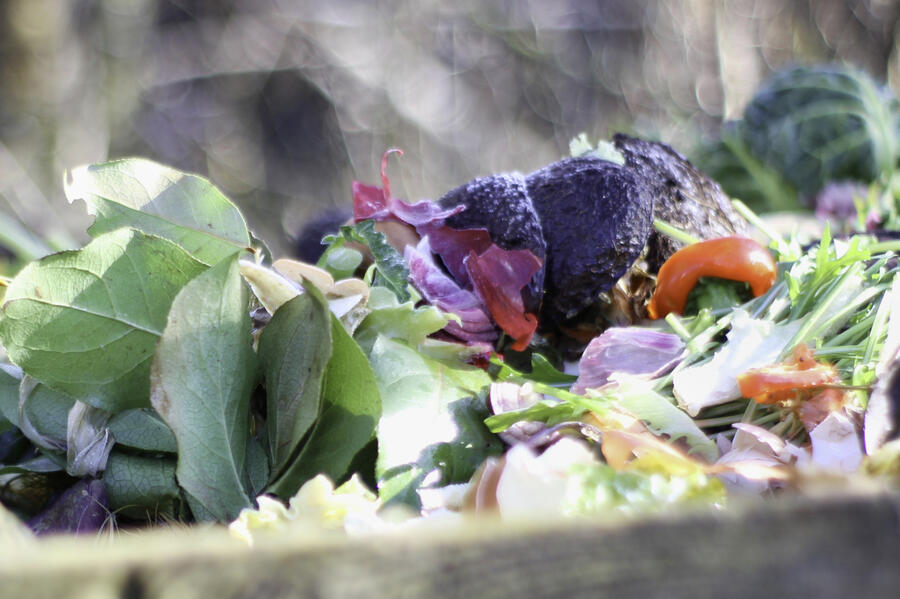
Neighbor Composting Program
find out more about our new composting program.
Supporting Local
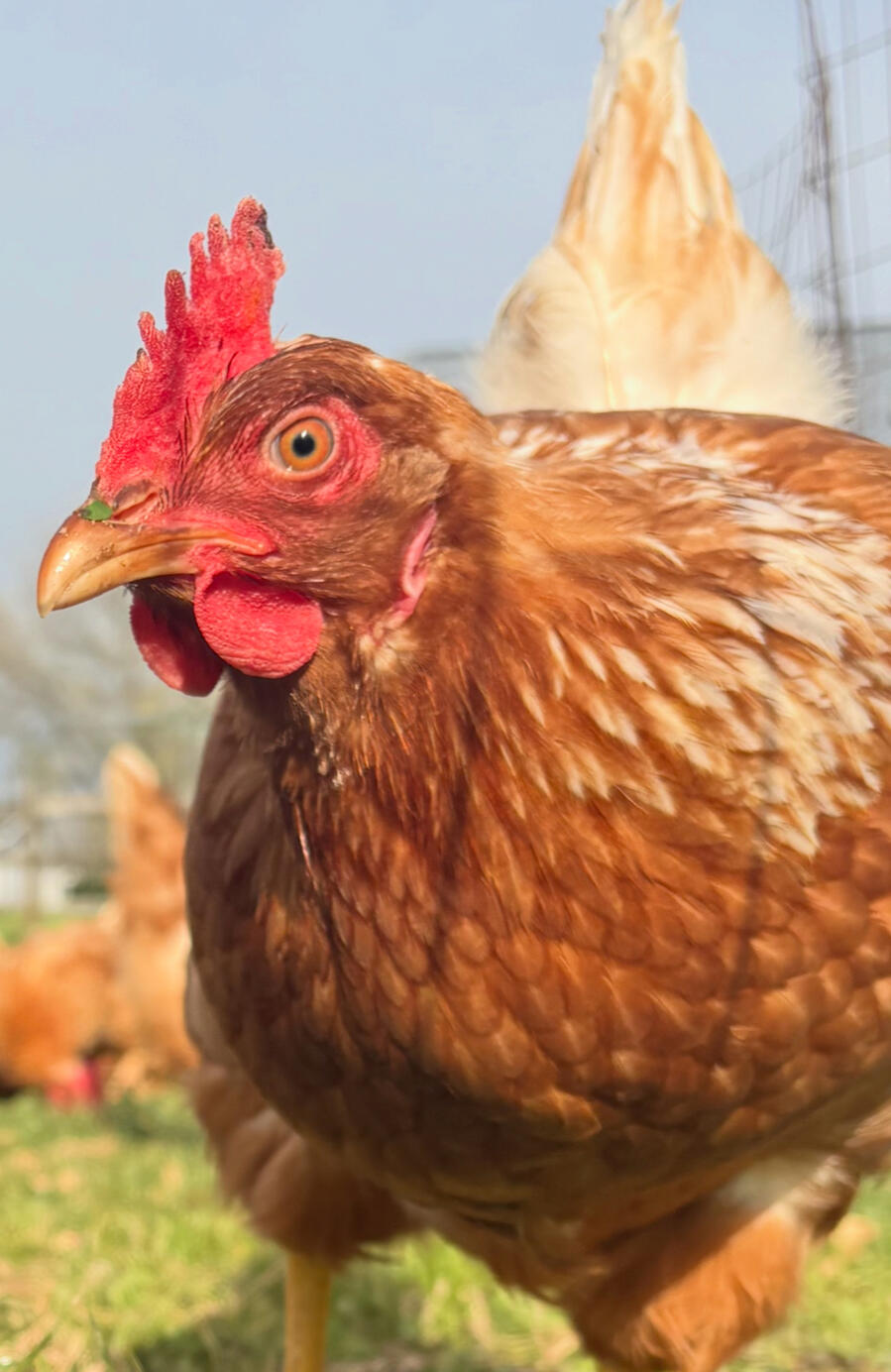
Henrietta and her crew like to support local community and small businesses.
Nature and Wildlife
We care about more then just birds and bees...
Bryan's Birds & Bees
Welcome to Bryan's Birds & Bee's We are buiulding is a nonprofit organization. All Items we offer have a requested donation price. We work with our community and have a donate what you can afford option for those members of our community that need extra support. All money collected go directly back the the chickens and bees as well as the land, community, eco system surrounding them and supplies cost. There are many projects running here at Bryan's Birds & Bees. Along with the chickens and bees we do grow some of our own produce. We are working on a plan to add a small orchard of fruit trees, a pumpkin patch to offer more fresh local food for our community. We are adding native trees with fruit and berries for native animals and convert 5000 + sq. ft. of lawn into a meadow to help support the lives of are plant, insects and animal friends. We would like to thank you for visiting our site.
Our Mission
Bryan's Birds & Bees is working to empower the local community, fighting hunger, saving wildlife and restoring nature.
Fresh eggs
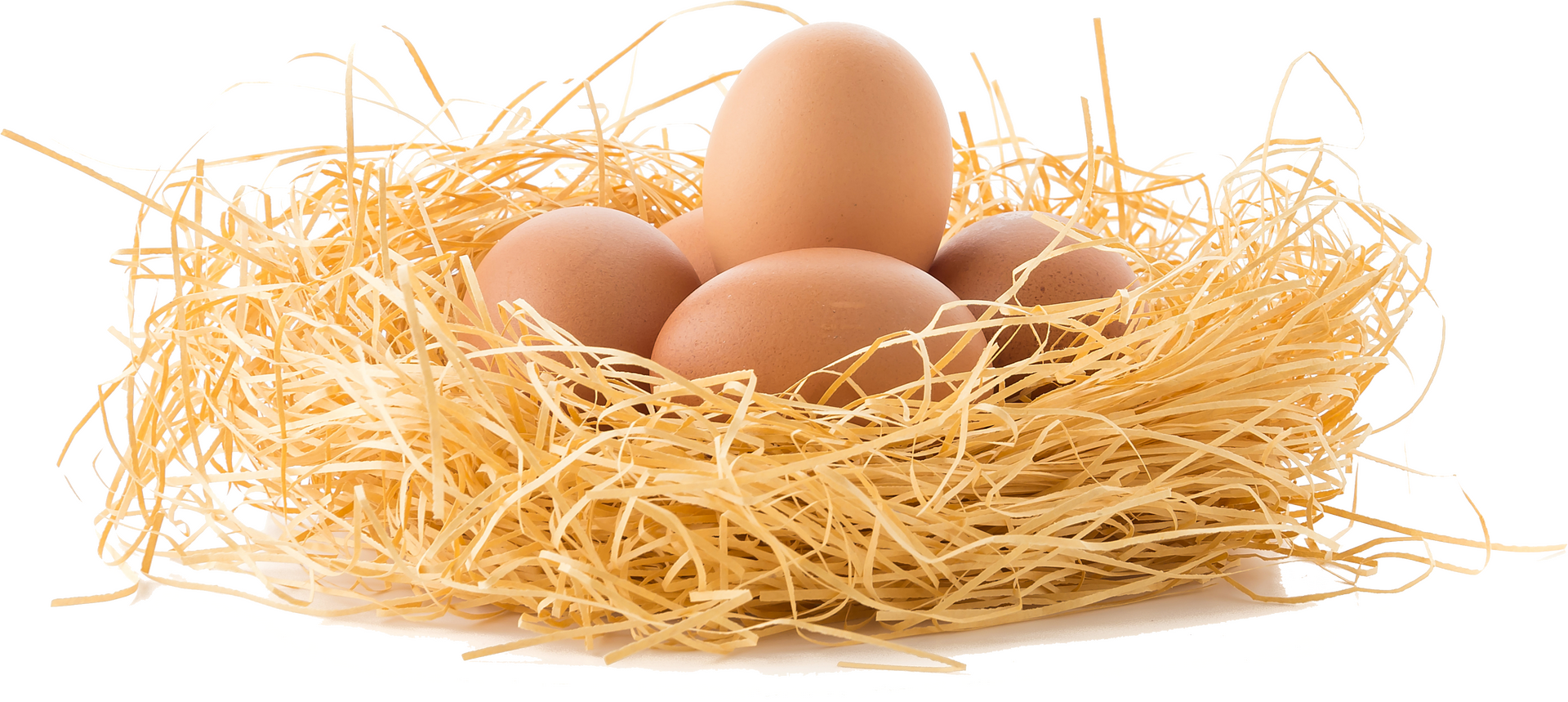
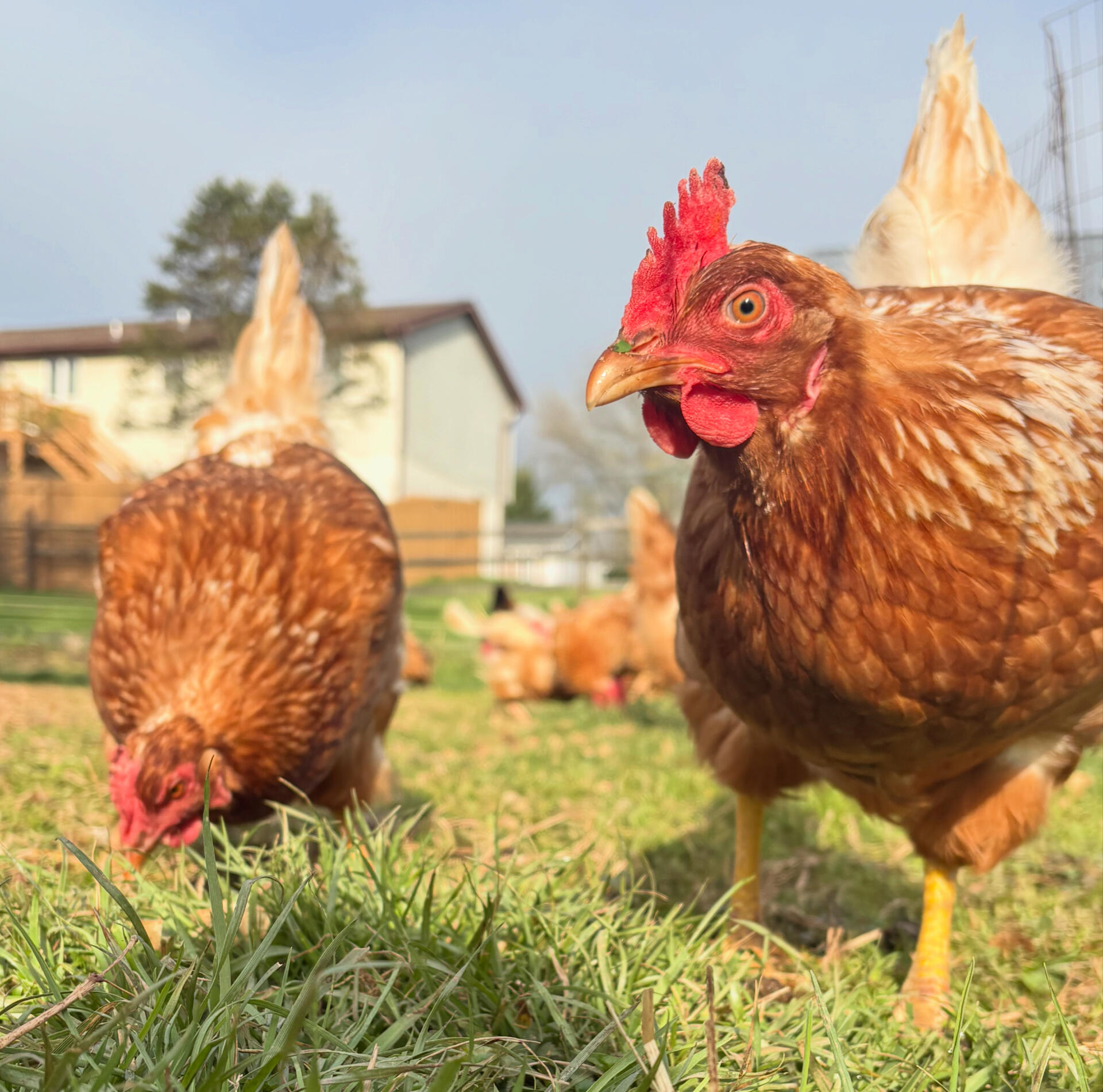
Fresh chicken eggs available now.
Eggs subscriptions will be available in the future.
For now you can order below.
$5 / Dozen
currently accepting Venmo, Apple pay, paypal and/or cash
Raw Honey
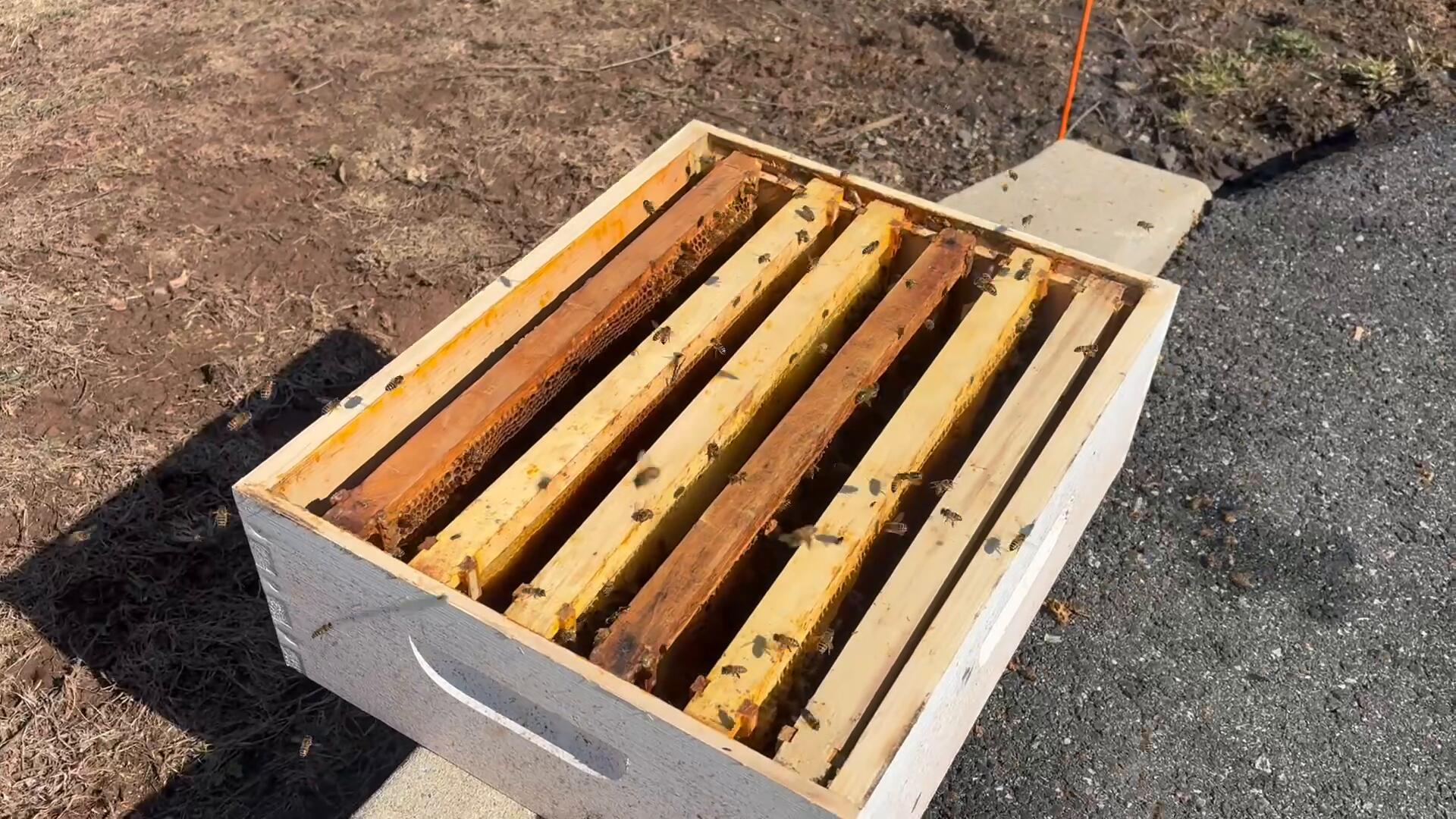
Raw local honey will be arriving in 2028.
Neighborhood Composting Program
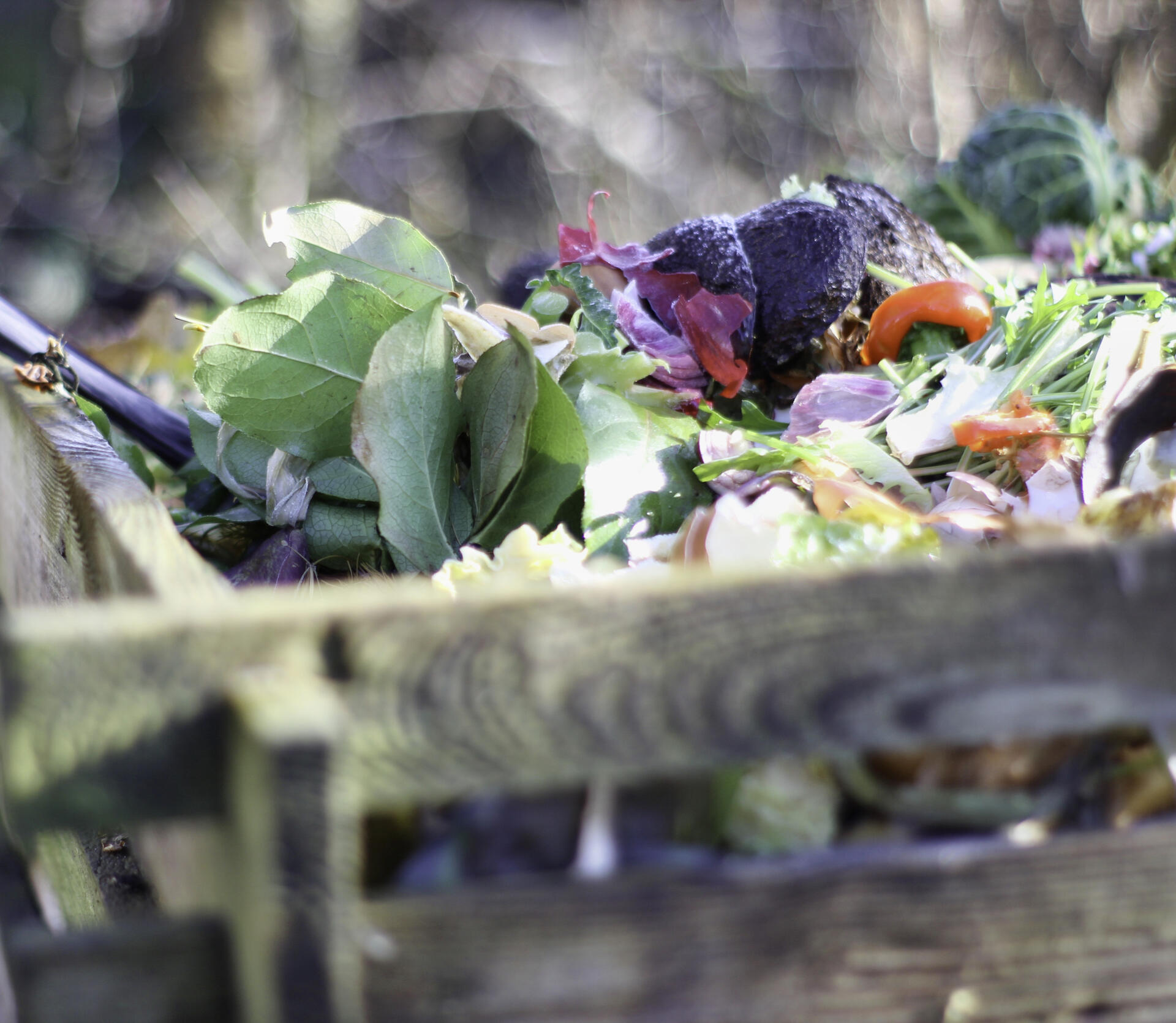
We offer a neighborhood composting program for any of our local neighbors who are interested and live within 1/4 mile of our location or friends and family. this program consist of yard waste drop off and weekly compost bucket exchange.
Why you should compost.
1. Composting reduces waste, makes us less dependent on landfills, and decreases greenhouse gas emissions. Every day, the average American generates roughly four and a half pounds of waste – that’s about 1,600 pounds per year per person. With the recycling rate at around 34%, and about 13% of the waste stream being incinerated, the majority of this waste – approximately 53%, or roughly 136 million tons – is sent to landfill every year (source). The largest component of landfilled municipal solid waste (MSW) is food scraps, accounting for approximately 22% of municipal discards in the landfill.Organic matter in the landfill decomposes anaerobically, meaning without access to oxygen. This process is different from aerobic decomposition, which is how organic matter naturally decomposes. When food breaks down without oxygen, it produces greenhouse gases (primarily methane), which can escape the landfill and accumulate in the atmosphere, contributing to global warming. In fact, MSW landfills are the third-largest emitter of human-related methane gas in the United States.Composting, on the other hand, mimics nature’s method of decomposition, allowing organic material to break down aerobically. Thus, composting greatly reduces our overall waste being sent to landfills, and also cuts greenhouse gas emissions.2. Compost strengthens soil and promotes healthy plant growth.
Adding compost to soil improves its structure and texture, making it more ideal for plant growth by adding organic matter. With higher percentages of organic matter, soil is better able to retain water, nutrients, and air – benefiting the entire ecosystem by creating an optimal environment for plants, and by reducing runoff and erosion. According to the EPA, an increase in organic matter of just one percent can triple the soil's water holding capacity.3. Composting reduces the need for pesticides and synthetic fertilizers.
Because compost enriches soil and promotes healthy plant growth, plants grown in compost-rich soil tend to be more resilient to diseases, pests, and fungi. The healthy bacteria and critters that are present in compost also help fight off harmful pests and diseases before they can get to plants – thus reducing the need for toxic pesticides.In addition, compost is a slow-release nutrient source for plants. The diverse materials in compost break down at different rates, slowly releasing nutrients over a long period of time; as opposed to releasing them all at once, as fertilizers do. Compost also contains a greater variety of nutrients than fertilizers, because it is made with so many different types of materials. Because compost both adds nutrients to soil and alters soil structure so that it retains nutrients more effectively, compost reduces the need for fertilizers.4. Composting recycles essential nutrients back into the soil.
Food scraps are a valuable resource! Just like the parts that you eat, the parts of food you toss contain important vitamins and minerals that, when returned to soil, get recycled back into the ecosystem and taken up by the next round of crops grown on the land.Unfortunately, today’s intensive agricultural methods have resulted in nutrient depletion in soils, which in turn has caused the fruits and veggies they grow in to be significantly less nutritious than a few decades ago. An important way to combat this is to promote healthy soil – which can be done by composting.5. Compost promotes a prolific soil ecosystem.
Compost attracts critters and microorganisms that are good for soil and plants. Think of compost like probiotics for the human body – good bacteria are needed to fight off diseases and keep us alive and functioning. Similarly, in order for soil to be healthy, it needs to foster a community of organisms that break down matter, improve soil structure, and create a fertile environment for plants. Compost comes with a myriad of organisms that do just that.
“Look after the land and the land will look after you, destroy the land and it will destroy you.” —Aboriginal Proverb
Free for immediate neighbors.
Neighborhood Compost Bucket Exchange
Proudly supporting local companies




Helping Wildlife
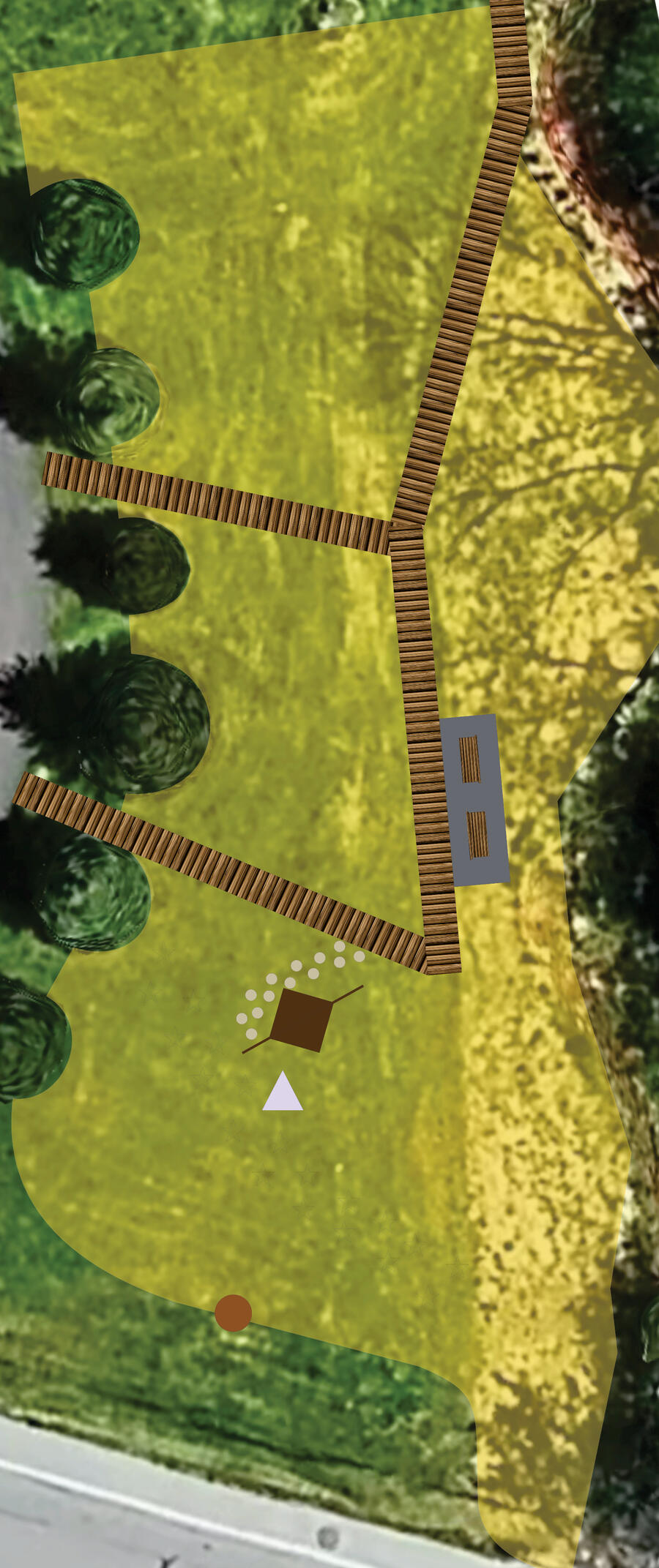
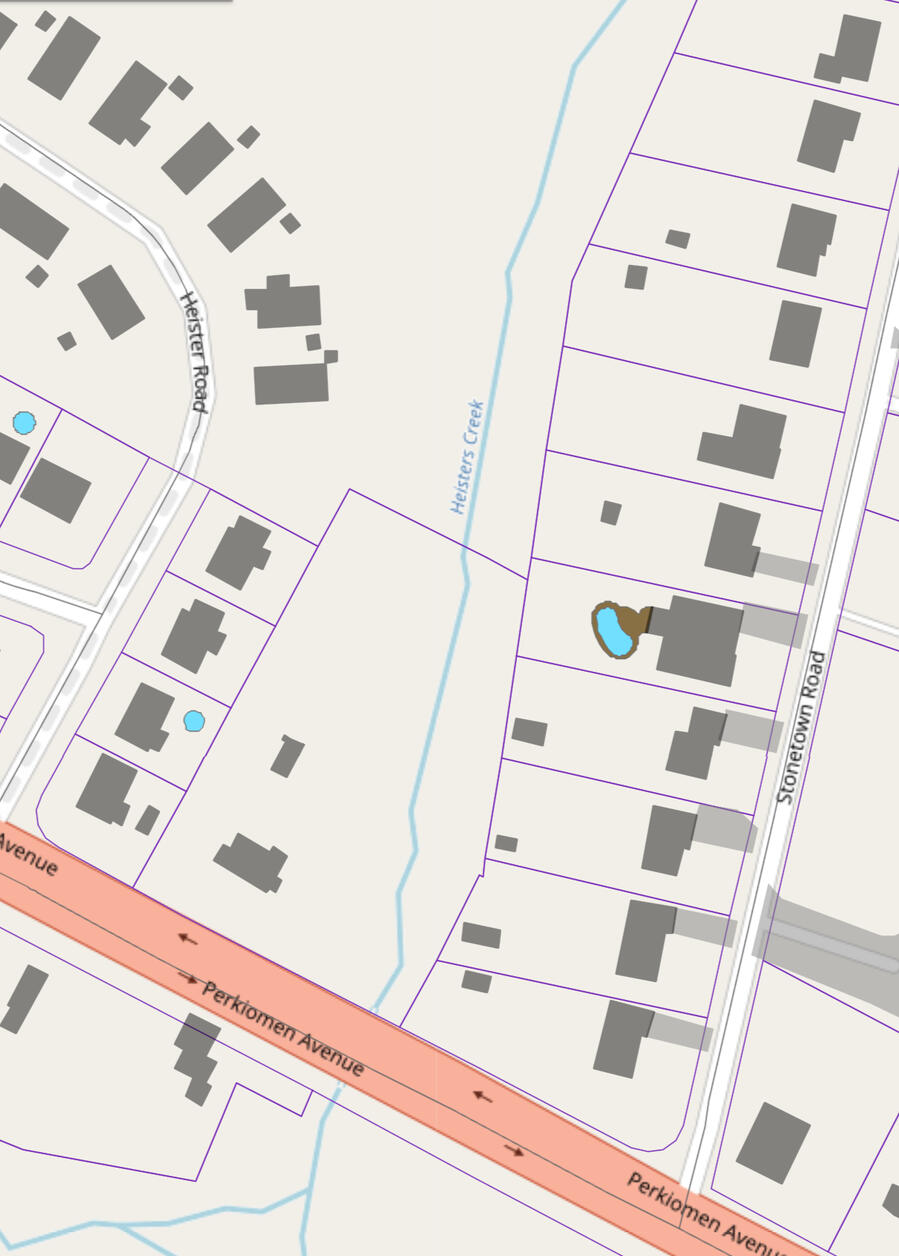
Here at Bryan's Birds we are determined to help. We are working on a Plan to Restore 5000 + Sq Ft of lawn into a meadow of Native and helpful shrubs, Trees, grasses, and flowers along Heister Creek and Rt 422. This on going project is planned to have elevated board walk with benches for bird watching, firefly viewing and to view nature at work. We want to help support our environment, preserve nature, building firefly sanctuary and add food sources for native wildlife. We do it because we want to make a Positive change in this world. Preserve as much of this beautiful world as we can. and always giving back to nature in a positive way.
Penn State Extension offers help and courses for everyone not just students.

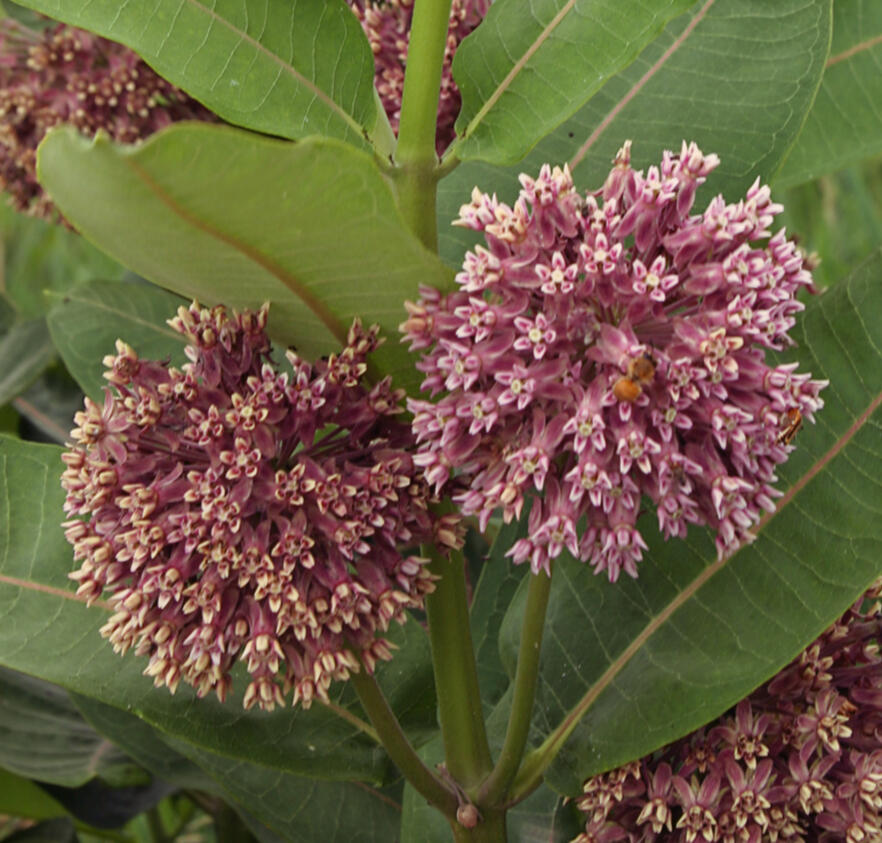
Nature is always a priority at Bryan's Birds & Bees. From helping native plant species regain their ground, to building Firefly Habitats and helping Monarch butterflies with native milkweed readily available on our property. learn more about butterflies below.
Fireflies are Disappearing
and need your help before they are gone forever. Create your own Firefly Sanctuary today. learn more about fireflies from the pros..
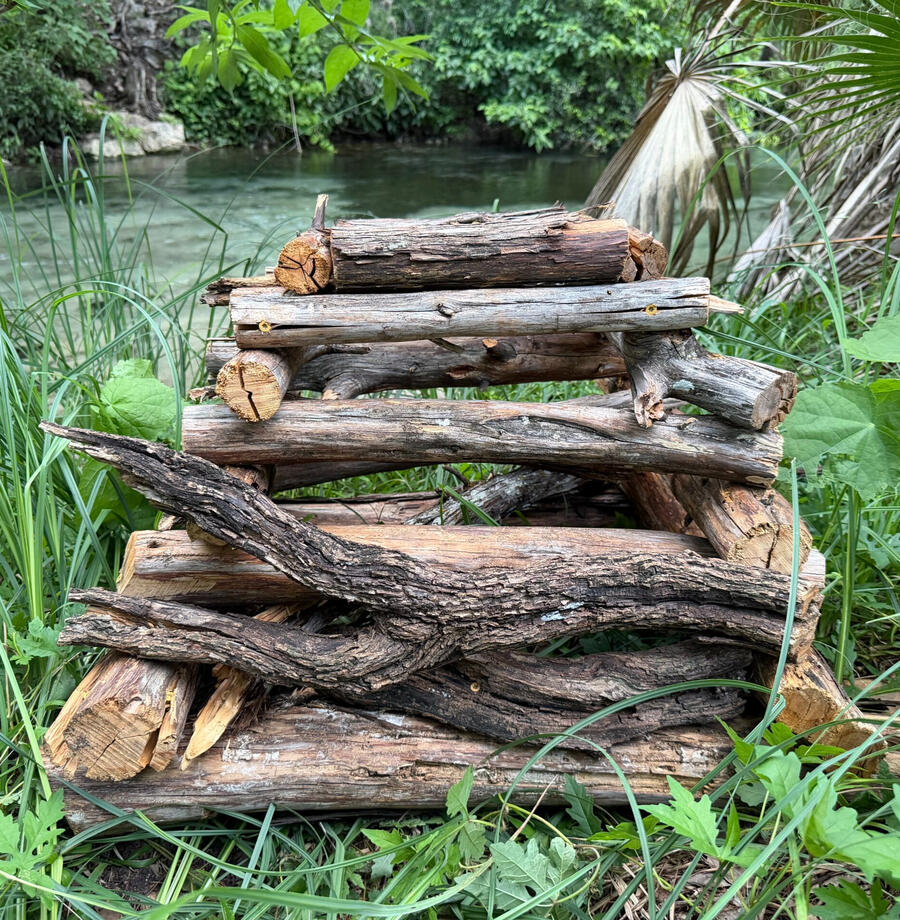
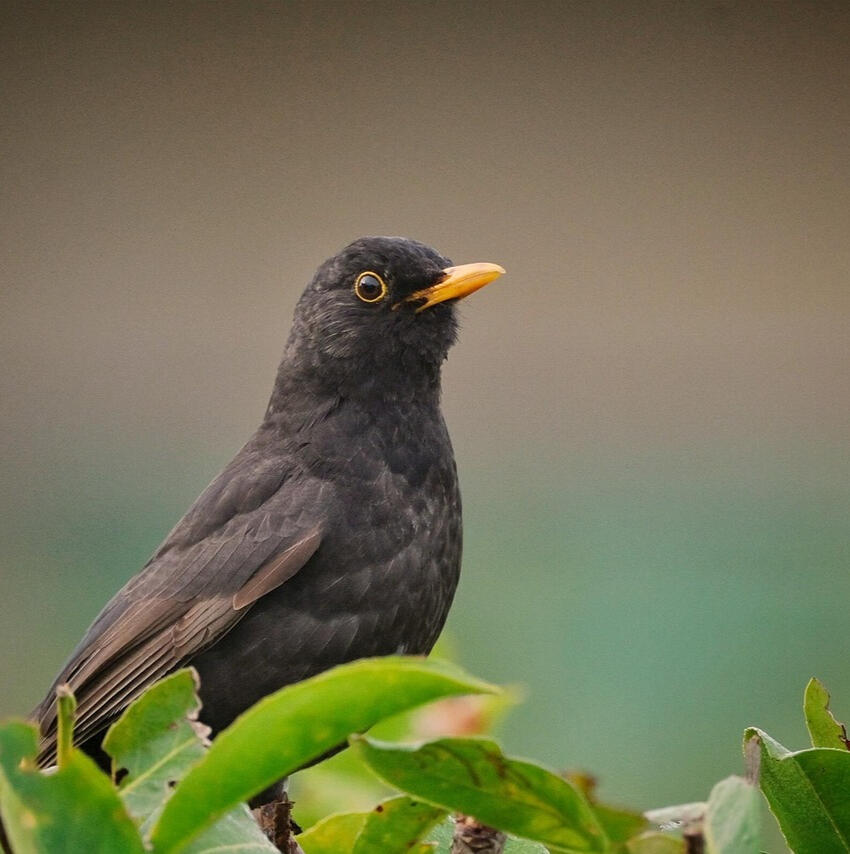
Everyone can help. Add a few native plants to your yard or garden. Add a source of water for our pollinator friends and natures clean up crew. Visit the National Wildlife Federation to learn more and certify your yard today.
Humming birds are another one of natures beautiful creatures that needs support from us.
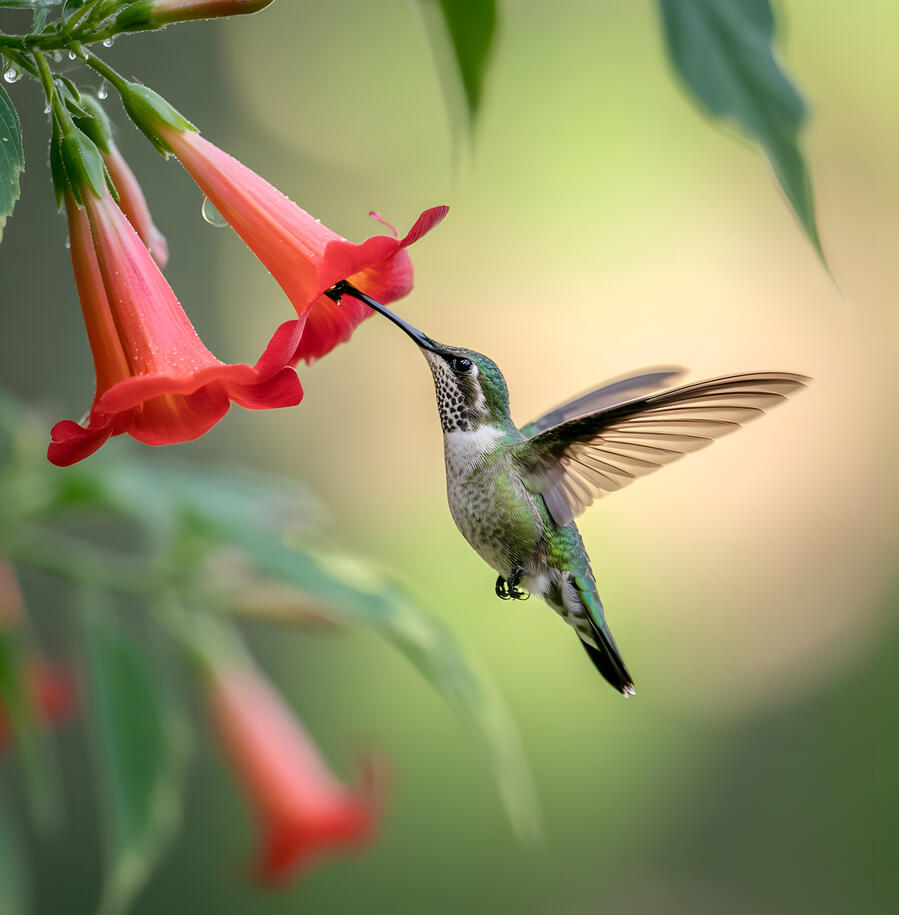

With the ever changing climate, deforestation, habitat loss and our over population of this planet is putting more stress on everything and everyone. Some Plants and animals are struggling to survive with these added stresses.
Change your search engine to one that plants trees for every search you do. Ecosia's team carefully selects tree-planting projects that benefit both people and the planet. they work hand-in-hand with local partners and communities to plant the right trees in the right places and ensure they thrive for years to come. This search engine is free for you to use.

Composting Guide
Here is a list of things that you should and should NOT compost.
| Do's | Dont's |
|---|---|
| Fruit & vegetable scraps | Meat products |
| Paper towels, tissues, paper egg cartons | Seafood products |
| Coffee grounds & tea leaves/used tea bags | Dairy products |
| Cotton, wool | polyester, Synthetic fabrics |
| Vacuum cleaner lint and dryer lint from natural fabrics | Pet waste |
| Crushed eggshells | Human waste |
| Hair, fur | Feminine hygiene products |
| Houseplants (no pesticide or herbicide treated plants) | Diseased plants |
| Leaves and weeds | Weeds that have gone to seed |
| Nutshells | Coated cardboard |
| Shredded newspaper | wax or gloss coated paper |
| Wood chips, sawdust, toothpicks... | Treated wood/sawdust |
| Wood ash | Coal ash |
| Old vegetables | Plastic |
| Stale bread | Black walnut products |
| Leather goods | Diapers |
| Wine corks | Glass |
| Plain paper documents | Glossy paper, Wrapping paper |
| Corn husks | anything contaminated with mold |
| Pinecones, twigs, branches up to 1" Diameter | 1" + diameter , large timber, logs |
| Cooked rice/pasta |
Larger and bulk yard waste items should be dropped off separately for composting.
Questions on composting?
Soil Structure Benefits with Composting
Soil that has good physical characteristics, or good soil structure, is said to have good tilth. What this means is that air and water can come and go easily but there is always enough of each remaining in the soil to meet the needs of the soil organisms and the plants.Soil with good tilth is easy to work with hand tools. Plant roots have an easy time growing through soil with good tilth. The soil becomes a moisture regulator - in times of drought it holds moisture, in times of heavy rain it manages to maintain enough air to prevent plants from drowning.Soil with good structure tends to encourage water to penetrate deeply rather than run off so it greatly decreases erosion.
What Determines Soil Structure?
Part of the soil structure is determined by the parent material of the mineral component of the soil. Different particles bind together or aggregate in different ways. For example clay soil tend to make overlapping horizontal layers while sandy soils tend to be very granular. The spaces where air and water could live line up very differently in these two types of soils.For the clay the layers don't line up, they are a maze that prevent water from freely flowing. The soil is also sticky so it is tough for these layers to shift. Thus many clay soils have a tendency to be poorly drained.By contrast the sandy soil has almost no structure, the porous areas can shift very easily - too easily really - and water has a tendency to drain through very rapidly taking any fertilizer with it.
How to Improve Structure
Cultivation and irrigation practices can have a negative effect on soil physical characteristics over time. For growing most plants we are looking for a soil that doesn't compact easily, allows water to penetrate easily while still holding moisture well.Nine times out of 10 the best way to improve soil structure is with compost - it is the ultimate soil conditioner.What makes compost unique is that it is more than just organic matter, it is an entire ecosystem. So when the compost community is introduced to your soil they put the site under construction.The soil organisms aggregate the soil - something like the way we might build a house - using long strings of organic matter. To maintain structure that works requires constant activity on the part of the soil organisms and constant additions of organic matter.In natural systems the organic matter comes naturally, in the garden it comes from you and I with the ideal input being compost.
What Compost Does for Clay Soil
The first trick with clay soil is to only work it when the moisture conditions are just right - too dry or too wet and it is verging on impossible. Just right is when you take a handful of soil and form it into a ball. It should keep its ball shape but easily break apart if you drop it or push your finger into it.Work in lots of compost for best results.
It improves the drainage while maintaining the water holding capacity of the soil. It interrupts the aggregation of the clay particles so that the soil has a more granular structure. It helps maintain the soil's porosity so that air and water can move freely through the soil. Compost makes the sticky soil more friable or workable and reduces the bulk density of the soil helping it resist compaction. ultimately Compost helps the roots penetrate the soil and supplies nutiance to your plants for a healthy yard and garden.
Soil Structure As Important as Fertility
Often when we have a problem in the garden or on the farm we look to soil tests to tell us about nutrient deficiencies in our soil. But research is showing that soil structure, especially the organic matter in the soil is at least as important. Because organic matter enhances the water and nutrient holding capacity of the soil it has a beneficial effect on crops. It has a huge potential benefit to coping with natural disasters that seem part of these times. Plants have a chance with both flood and drought. As an added bonus the humus in the compost acts as a kind of carbon sink thus reducing CO2 levels that contribute to climate change.
good soil is always a balance of 4 main things. water, air, organic and inorganic material.
Join the Neighborhood composting program today!
Currently accepting only immediate neighbors within 1/4 mile of our location, family and friends in the Reading/Birdsboro area.
Thank You!
Egg Washing Guide
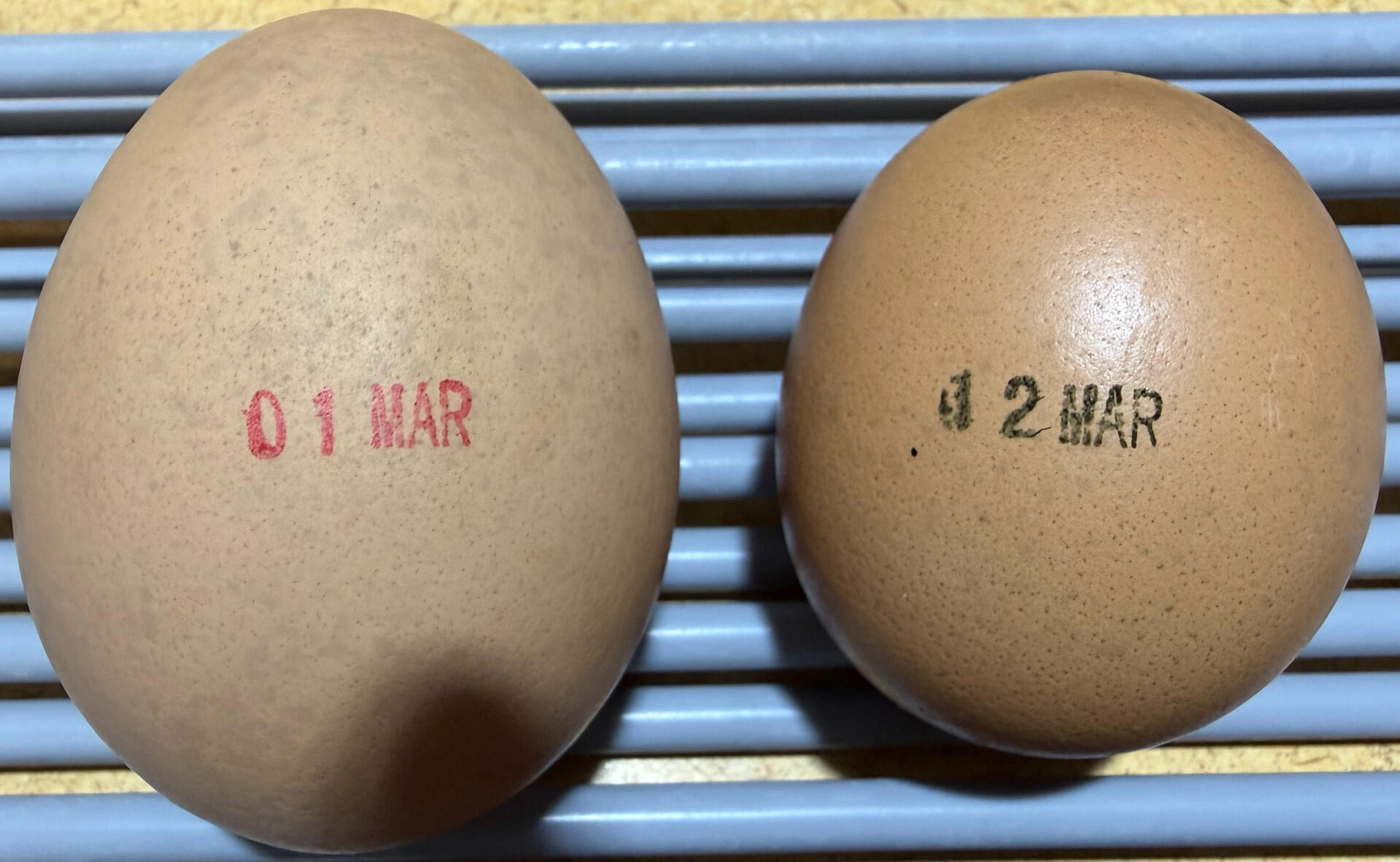
Unwashed
Washed
Farm fresh eggs are often sold washed or unwashed. We tried to make this easy our eggs are dated in red or black ink. Red in indicates eggs that should be washed before use. Black date indicated the eggs have already been cleaned. As you can see in the picture above it can be impossible to tell by the eggs themselves if they have been washed or not. If you do purchase eggs that need to be cleaned, it is a relatively easy process.
1st Water Temperature: Use water between 90°F and 120°F, ensuring it is at least 20°F warmer than the egg’s internal temperature. Cold water causes the egg to shrink creating a vacuum that draws bacteria through the shell pores.2nd Wash eggs individually under running water. Never soak them, as prolonged contact allows microbes to penetrate the shell. Use a soft brush, emery cloth, or unscented food-safe detergent to gently remove debris. use immediately after cleaning or continue to steps 3 and 4.3rd Sanitize : After washing, dip eggs in a sanitizing solution, such as 1 tablespoon of bleach per gallon of water or a food-safe sanitizer.4th Drying and Storage: Dry eggs immediately with a clean disposable towel and refrigerate promptly at 45°F or below. Once washed, eggs must be used within 4–5 weeks for best quality.Below are links to the USDA website for more information.